Staying in a hotel with a puppy can work surprisingly well if you plan for the parts hotels make difficult: unfamiliar noises, shared hallways, toilet trips, sleep, accidents and the fact that your puppy may be too young to cope with being left alone in a strange room.
The goal is not to make the hotel feel exactly like home. It is to give your puppy enough predictability that eating, toileting and sleeping still make sense.
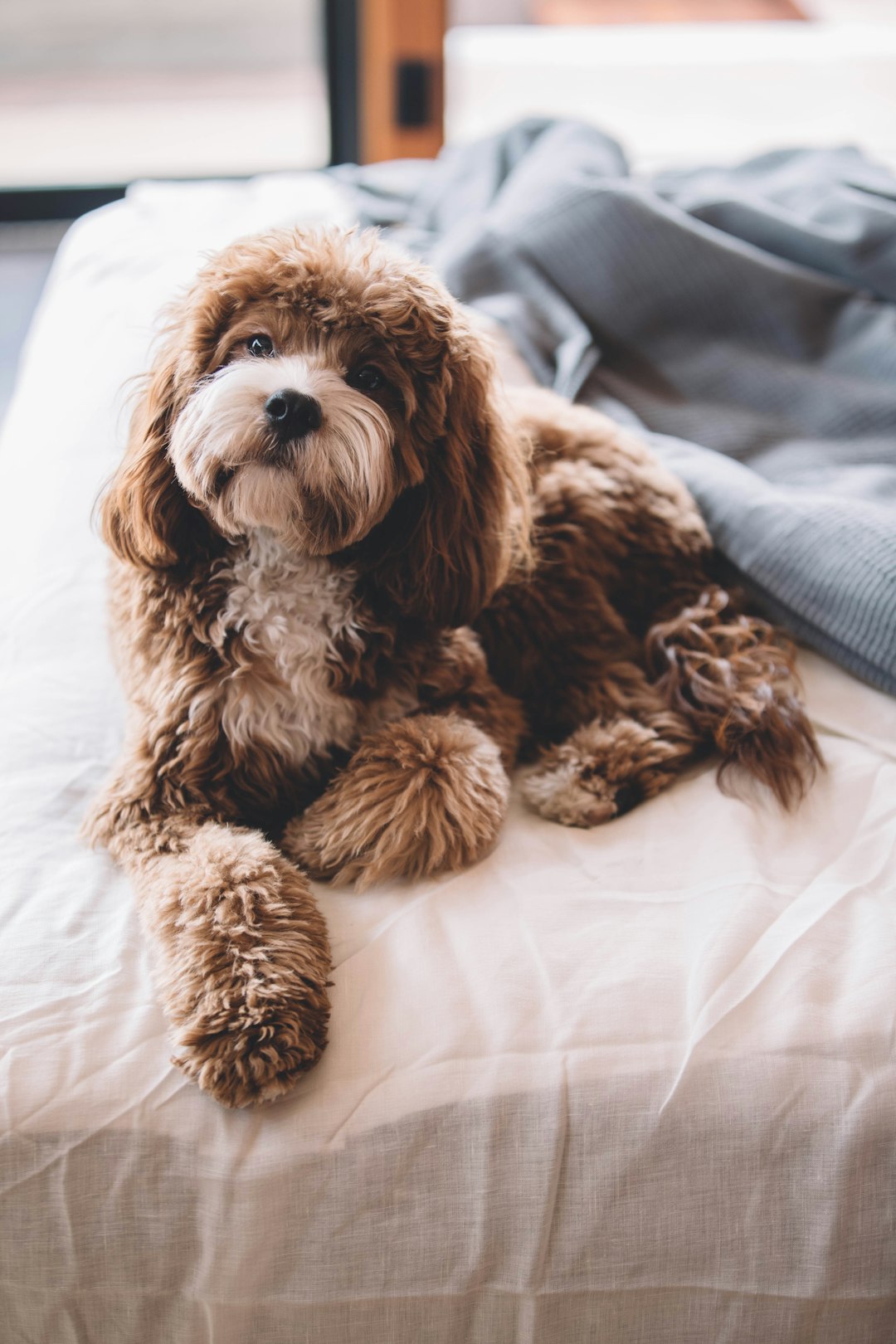
 Photo by Roberto Nickson on Unsplash
Check the hotel rules before you book
Pet-friendly does not always mean puppy-friendly in practice. Check whether dogs can be left alone in rooms, where toileting is allowed, whether there are size restrictions, and whether there are extra cleaning or pet fees. The AKC’s guide to dog-friendly hotel chains is a useful starting point, but always confirm the individual property’s current rules before booking.
If your puppy is very young, I would favour a setup that makes frequent toilet trips easy rather than a room that looks nicer but is six corridors and an elevator away from the exit.
Bring the puppy’s normal sleep setup
If your puppy sleeps well in a crate or on a familiar bed at home, bring that if it is practical. Familiar bedding and scent can help make the room feel less alien.
Do not introduce a completely new confinement setup on hotel night one and then assume any crying is a hotel problem. If you plan to use a travel crate, practise it before the trip.
See Rebarkable Recommends: Puppy Crates for crate options, and Puppy Crate Crying if settling is already difficult at home.
Set the room up before giving the puppy full access
Hotel rooms are full of puppy opportunities: bins, luggage, cables, dropped food, bathroom products and beds they can disappear under.
Give yourself five minutes to puppy-proof. Put rubbish out of reach, close the bathroom if necessary, manage cables and decide where food, water and sleeping will happen.
Keep arrival boring
After a long journey, the puppy may be tired, overstimulated or both. Toilet first, then a quiet introduction to the room.
You do not need to march them around every hallway, lobby and patio to “help them get used to the hotel.” Let the first hour be small.
Plan toilet trips before bedtime
Know the route from your room to the toilet area while you are still awake and organised. Keep lead, harness, shoes and waste bags together so a 3 a.m. toilet trip does not become a treasure hunt.
If your puppy is not fully vaccinated, ask your vet about local disease risk and be selective about high-traffic dog areas. Rebarkable’s guide to parvovirus in puppies explains why this matters.
What if the puppy barks at hallway noises?
That is common because hotels create sounds puppies may never have heard at home: doors slamming, footsteps, elevators, voices right outside the room and housekeeping carts.
Move the puppy’s bed away from the door if possible, keep the room environment calm and avoid turning every hallway sound into an event. If the puppy checks in with you and settles again, that is useful.
If they are escalating rather than recovering, give them more distance from the door and reduce the amount of stimulation rather than correcting the barking.
Can you leave a puppy alone in a hotel room?
First, check the hotel’s rules. Many pet-friendly hotels do not allow dogs to be left unattended, or they impose conditions around crating.
Even where it is allowed, I would not use a hotel stay as the first big separation exercise for a young puppy. If the puppy cannot yet settle alone at home, a strange room is not an easier version.
For general separation training, see Home Alone: Teaching Your Puppy To Be Happy & Confident.
Keep meals familiar
Travel is not the time to change food for convenience unless you have a good reason. Bring the puppy’s normal diet and enough extra for delays.
Feed somewhere easy to clean and avoid letting hotel excitement turn into a constant stream of treats. If the puppy has been carsick, give them time to settle before feeding a large meal.
Let the puppy sleep
Hotels are stimulating. If your puppy is tired, let them sleep.
Do not keep them awake because you want them exhausted at bedtime. Overtired puppies are often worse at settling. Rebarkable’s Puppy Sleep Schedule is useful background if you are unsure how much rest is normal.
What should you pack for a hotel stay?
- Normal walking harness and lead
- Food and bowls
- Familiar bed, crate or blanket
- Towels and spare bedding
- Waste bags
- Pet-safe cleaning supplies
- Any medication
- Vaccination and vet information
- A few familiar toys or safe enrichment items
For the wider packing list, use Puppy Travel Essentials: What to Pack for a Trip. If the hotel is part of a longer drive, pair this with Road Trip With a Puppy: Breaks, Toileting, Food and Sleep.
What if the puppy has an accident?
Clean it up promptly and without drama. A hotel accident is not a moral failure or evidence that toilet training has collapsed.
Unfamiliar environments disrupt routines. Increase toilet opportunities, pay closer attention to pre-toileting behaviour and make the route outside as easy as possible.
Keep the usual routine where it helps
You do not need to recreate home minute by minute, but preserve the useful anchors: meal times, toilet opportunities, sleep and the same cues you normally use for settling.
If your puppy usually winds down after a chew and a toilet break, use that sequence. Familiar patterns travel better than rigid schedules.
Hotel puppy checklist
- Confirm pet rules before booking.
- Choose a room with easy outdoor access if possible.
- Bring familiar bedding and sleep equipment.
- Puppy-proof before giving full room access.
- Keep toilet gear beside the door.
- Do not use the hotel as the first major alone-time exercise.
- Let an overtired puppy sleep.
- Keep meals and useful routines familiar.
- Expect more environmental noise than at home.
- Clean accidents calmly and increase toilet opportunities.
A successful hotel stay can be very boring
If the puppy eats, toilets, sleeps and can settle for decent stretches, that is a good hotel stay. They do not need to meet everyone in the lobby or explore the entire building.
Travel becomes easier when the puppy learns that new places still contain familiar routines and safe opportunities to rest. For the broader planning piece, see Traveling With a Puppy: Car Trips, Overnight Stays and What to Pack.
Originally published by Rebarkable.